Diaries and recollections of Australian women dwell on the ever present and incessant flies. Many remember growing up in rural Australia and the constant and persistent fly problem. Mothers tried everything to protect food items. It is difficult to imagine how the women managed before the advent of the ‘fridge’. Beaded curtains over doorways, those awful sticky papers hanging from the ceiling, and throws over all food to be removed just before sitting down to eat.
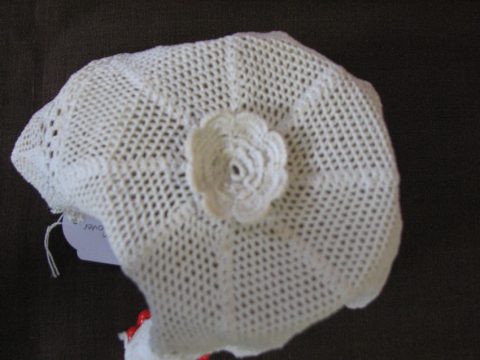
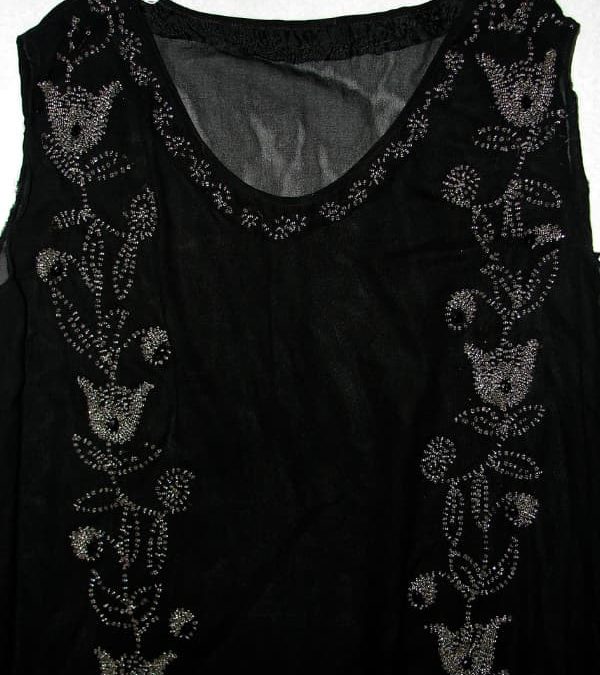
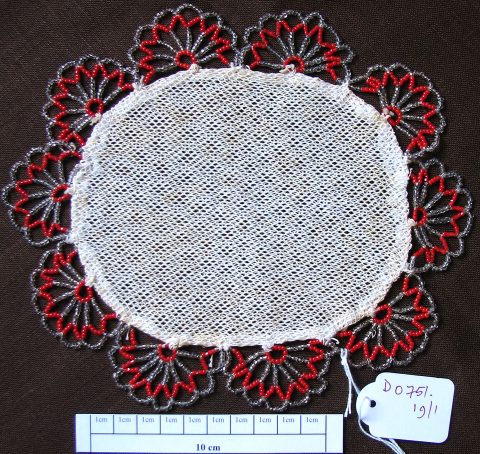
Milk jug covers were a small and practical solution to this problem but they also served a decorative function. Examples of embroidered and crocheted pieces could be found in most Australian homes in the late 1800s to mid-1900s. Beaded covers were used to protect milk, sugar and other foods from flies and insects. The beads served not only as a decorative item, but for weighting the cover so that it would not fall off the jug.
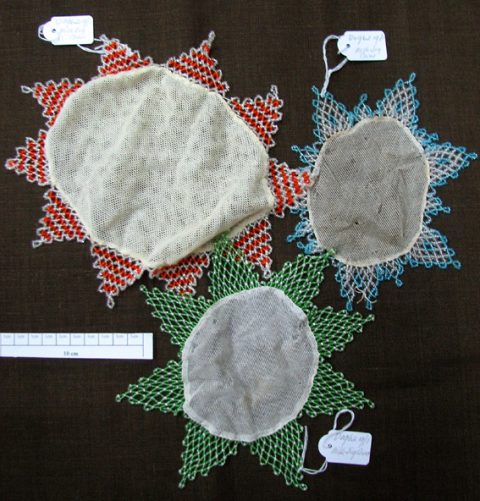
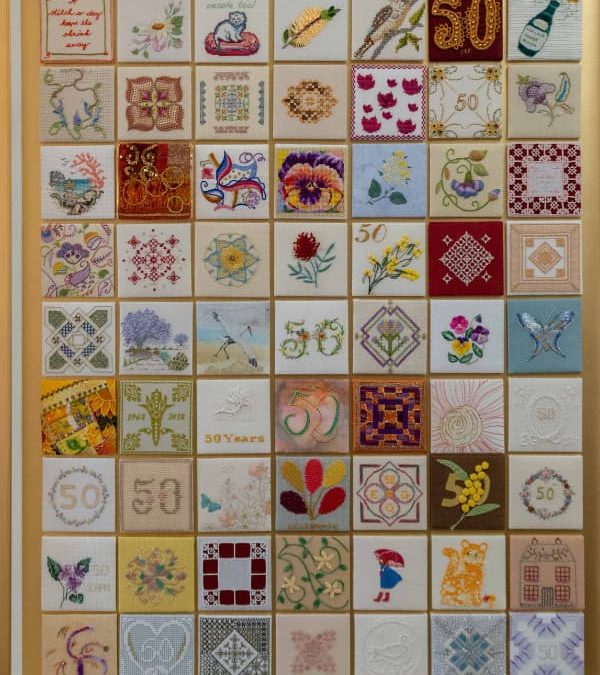
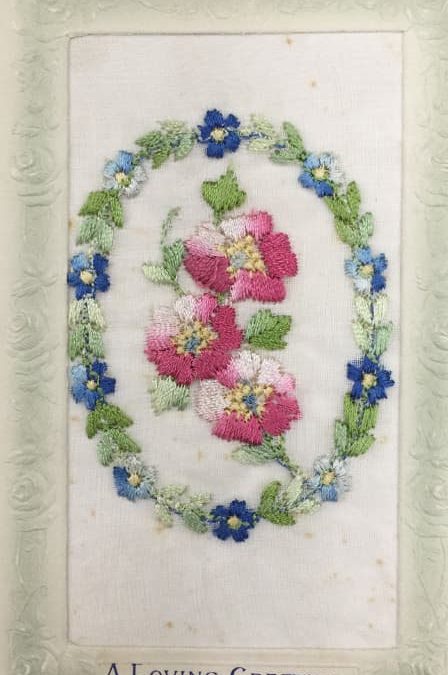
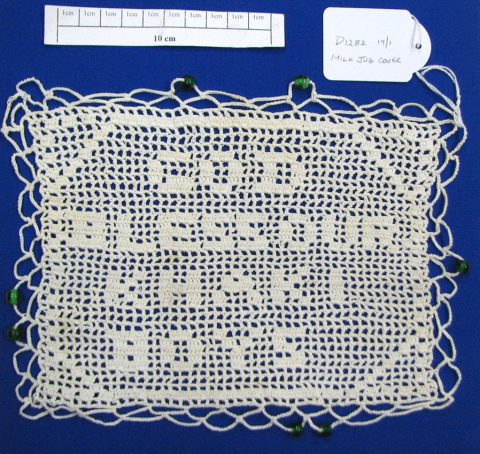 Along with their practical function, doilies and milk jug covers served a decorative purpose. From as early as the 1830s, designs have incorporated native flora and fauna motifs, which became increasingly popular towards the turn of the century as an increased sense of nationalism emerged, marking a shift away from the design influences of England and Europe in favour of an Australian design aesthetic. Embroidery and crochet work provided a much needed creative outlet for some, a restful leisure activity for others or as a way to commemorate significant events or supplement the family income. Filet crochet was encouraged as a feminine craft by women’s magazines and journals in the early 1900s.
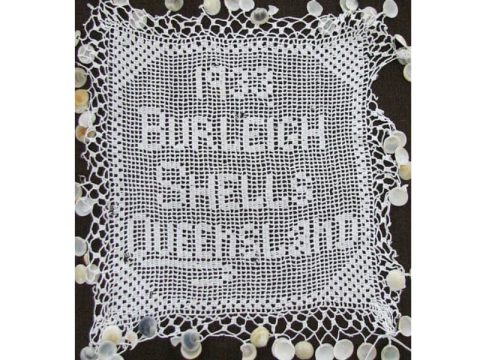 Many were collected as souvenir items – they were small and inexpensive. Such an example is the one from Burleigh Heads, which instead of beads, shells were used to help weigh the edges down.
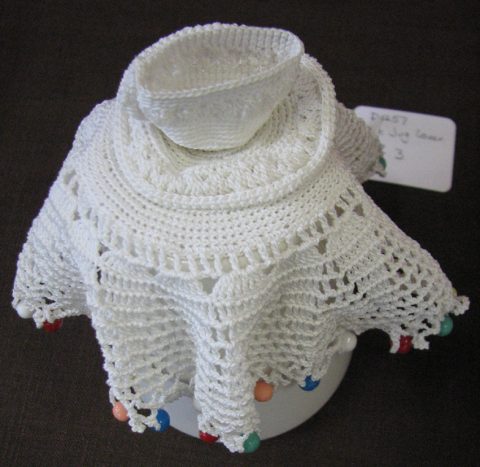 Particular novel and yet, appropriate, patterns were the 3-dimensional ones. A small tea-cup and saucer, and occasionally a teapot, would be crocheted in the centre of the milk jug cover. Sugar and water solution was one of the most favoured ways of stiffening the 3-dimensional feature. Other methods include Epsom salts, cornstarch and water. The beauty of these methods was that they were not permanent – if the milk jug cover became soiled, they could be washed and re-starched.